Why Restaurant Reservation Systems Are Built to Overbook
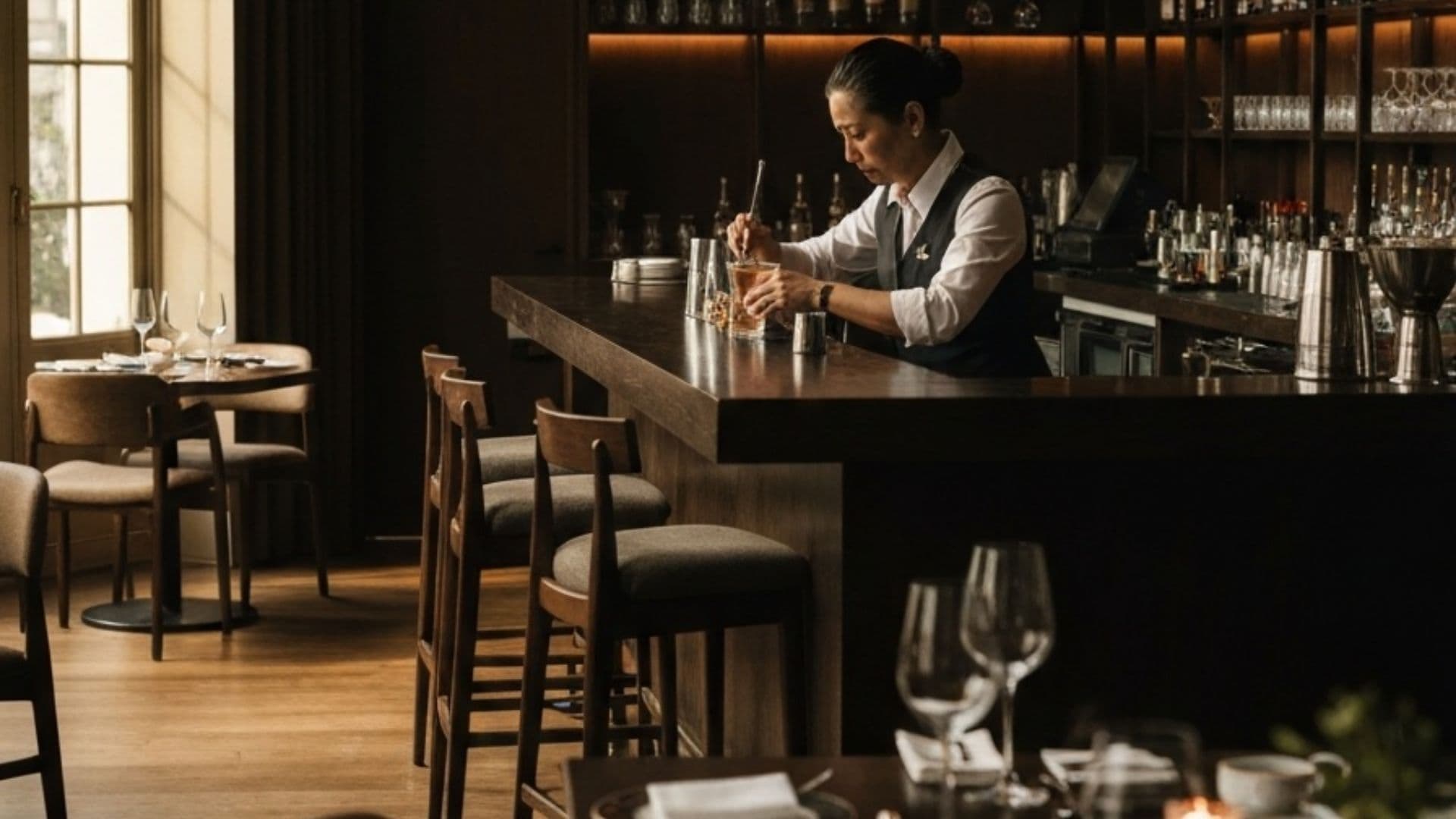
Anyone who's shown up on time for a restaurant reservation and still waited forty minutes for a table has run into the same deliberate system: reservation books built to overbook, on purpose, as standard operating practice, not as a mistake or an isolated bad night.
The reason is a numbers problem restaurants can't avoid, though the size of it is reported less consistently than you would expect. OpenTable put the average across its own platform near 5 to 7 percent of covers. ResDiary's UK data showed a climb from 5 to 8 percent in a single year. Operator surveys in some markets report figures in the mid-teens, and Toast's 2025 data put it near 2 percent. The spread is real: it moves with the type of restaurant, the night, the city, and above all whether the booking required a deposit, so anyone quoting a single confident number is rounding off the part that matters. Take the middle of that range and a restaurant booking every table exactly to capacity, with zero overbooking buffer, still gives up several percent of possible revenue on any given service, empty tables that were reserved and simply never filled, with no way to sell that lost time once the window passes. On thin margins, across a year, a few percent is the difference between a good year and a flat one.
So reservation systems build in a deliberate buffer, booking more covers than there are seats, on the statistical expectation that a predictable percentage won't show. This is the same logic airlines use when overbooking flights, for the same underlying reason: perishable inventory (a table's 7pm slot, like a plane seat, is worthless the moment it passes unsold) combined with a predictable no-show rate creates a mathematical incentive to oversell slightly and accept occasional friction, rather than guarantee empty inventory every single service.
The system works, most nights, because the no-show math holds up on average even though it's unpredictable on any single night. The problem is what happens when it doesn't, when a restaurant overbooks based on a typical 15% no-show rate and, on a given night, everyone actually shows up. That's the night you arrive on time and get told there's a twenty-minute wait for your reserved table, because the buffer that usually creates slack instead created an overflow.
Some restaurants manage this better than others, and the difference is usually visible in how they handle reservations upfront: deposits or credit-card holds for reservations (which measurably reduce no-show rates, since there's now a real cost to skipping), smaller time-slot windows with faster table turnover built into the model, and, the most honest approach, reservation systems that show a slightly padded wait estimate rather than promising an exact seating time. None of this eliminates the overbooking calculation; it just manages the downside better when the math doesn't land in the restaurant's favor that particular night.
There's no real fix from the customer side beyond understanding the system isn't broken when it happens to you, it's working exactly as designed, and the night it doesn't line up is the cost the model accepts in exchange for not running empty tables the other nine nights out of ten.
Where it came from
- The math
No-shows are predictable in aggregate, not per night
Reported no-show rates vary widely by platform, market, and whether a deposit was taken: OpenTable has put its platform average near 5 to 7 percent, ResDiary recorded a UK move from 5 to 8 percent in a year, and some operator surveys report the mid-teens. No single figure is safe to quote as typical. What the model actually relies on is that the rate is stable enough across a season to plan against, and unstable on any individual night.
Source: OpenTable, on no-show numbers
- Borrowed logic
The same move airlines make
Overbooking is the response to perishable inventory plus a predictable no-show rate. A 7pm table, like a plane seat, is worthless the moment it passes unsold, so the incentive is to oversell slightly and absorb occasional friction.
How it is made
The system works most nights because the no-show math holds on average, even though it is unpredictable on any single night. The difference between a well-run book and a frustrating one is how the downside is managed when everyone actually shows.
- Sources
- 2 consulted, 1 primary
- Fact-check
- Passed
- Standards
- Passed
- Edited & approved
- Josh Perry, July 14, 2026
- Corrections
- 1 issued