Extrait vs. Eau de Parfum: What the Concentration Number Actually Means
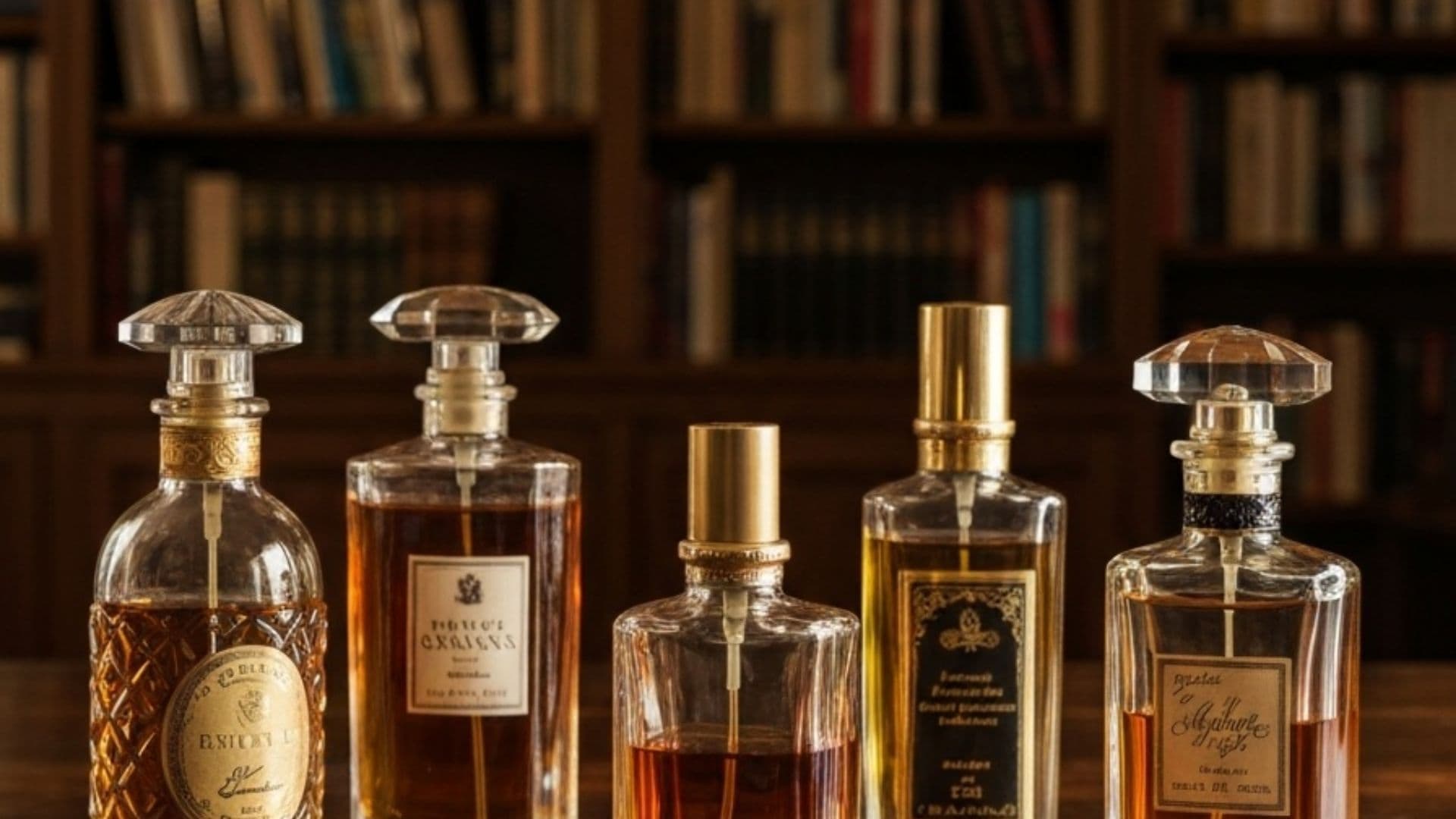
Every fragrance bottle carries a concentration number, and most people ignore it in favor of the marketing name on the box. That's a mistake, because the concentration, the percentage of aromatic compound dissolved in the alcohol-and-water base, is the single biggest factor in how long a scent lasts and how far it projects, more than the brand, the bottle, or the price.
The standard tiers, roughly: eau de cologne sits around 2–4% concentration, eau de toilette around 5–15%, eau de parfum around 15–20%, and extrait (also called parfum or pure perfume) at 20–40%, occasionally higher. These aren't strictly regulated numbers, houses vary within each band, but the ordering holds. Higher concentration means more of the actual scent compound per spray, which means slower evaporation, longer wear time, and a scent that sits closer to the skin at extrait strength versus projecting further outward at eau de toilette strength, where more alcohol means faster diffusion into the air around you.
This is why the same fragrance released in both eau de parfum and extrait can smell noticeably different despite sharing a "recipe", the extrait isn't just a stronger version of the EDP, it's often reformulated slightly, because at higher concentration, top notes (the ones designed to evaporate first and grab attention) become less necessary, and base notes (the ones meant to linger, like woods and musks) get proportionally more weight. An EDP built to smell good for the first twenty minutes on a store visit isn't automatically the right formula just scaled up.
Here's where the quality cliff actually sits, and it's not intuitive: extrait isn't objectively better, it's a different trade-off. You're paying for less product to make the same number of wears (extrait bottles are typically smaller), for a scent that sits closer to your skin instead of filling a room, and for a house's willingness to use more raw aromatic material relative to alcohol, which is genuinely more expensive to produce. But if you want a fragrance other people notice from a few feet away, an EDT or EDP with good projection will outperform an extrait that barely leaves your skin. Higher concentration is not a proxy for "better fragrance."
The actual signal to buy on is longevity and projection you've tested yourself, ideally on skin rather than a paper strip, since skin chemistry changes how any concentration wears. A well-made $60 eau de toilette from a house that formulates carefully will out-project a mediocre $300 extrait built mostly on marketing. The concentration number tells you what to expect from the wear curve, not whether the fragrance itself is good.
Where it came from
- Concentration tiers
A number that predicts the wear curve
Eau de cologne sits near 2 to 4 percent aromatic compound, eau de toilette 5 to 15, eau de parfum 15 to 20, and extrait 20 to 40. The tiers are not tightly regulated, but the ordering holds: more compound per spray means slower evaporation and longer wear.
Source: Piver, on cologne, eau de toilette, eau de parfum and extract
- Reformulation
Extrait is not just a stronger EDP
At higher concentration, top notes designed to grab attention on a store visit matter less, and base notes get proportionally more weight. Houses often rebalance the formula, which is why the same name can smell different across strengths.
How it is made
Concentration tells you what to expect from the wear curve, not whether the fragrance is good. Longevity and projection you have tested on skin are the real signals; the percentage only sets the physics.
Fragrance
What to buy
Recommendations rest on verifiable specifications: published concentration ranges, the volatility of the material classes involved, and the disclosures houses are required to make. We have not worn or smelled these — NLNT operates no fragrance sensory panel, and a claim about how something develops on skin is exactly the claim we cannot stand behind. Concentration is presented as a trade-off to match to intent, never as a quality score.
A well-made eau de parfum
Eau de parfum sits in the higher aromatic-compound range, which is the specification that governs how far a scent carries and how long it stays legible. That makes it the general-purpose choice on paper. We have not worn these.
An extrait worn close
Extrait carries the highest concentration of raw material and the lowest proportion of alcohol, so it is formulated to sit near the skin rather than project. Choose it when you want a scent for yourself rather than the room. We have not worn these.
- How this was made
- Recommendations rest on verifiable specifications: published concentration ranges, the volatility of the material classes involved, and the disclosures houses are required to make. We have not worn or smelled these — NLNT operates no fragrance sensory panel, and a claim about how something develops on skin is exactly the claim we cannot stand behind. Concentration is presented as a trade-off to match to intent, never as a quality score.
- Sources
- 2 consulted, 1 primary
- Price bands
- Editorial judgement, not a formal price survey.
- Fact-check
- Passed
- Standards
- Passed
- Edited & approved
- Josh Perry, July 24, 2026