Single-Origin Chocolate: Reading a Bar Like a Wine Label
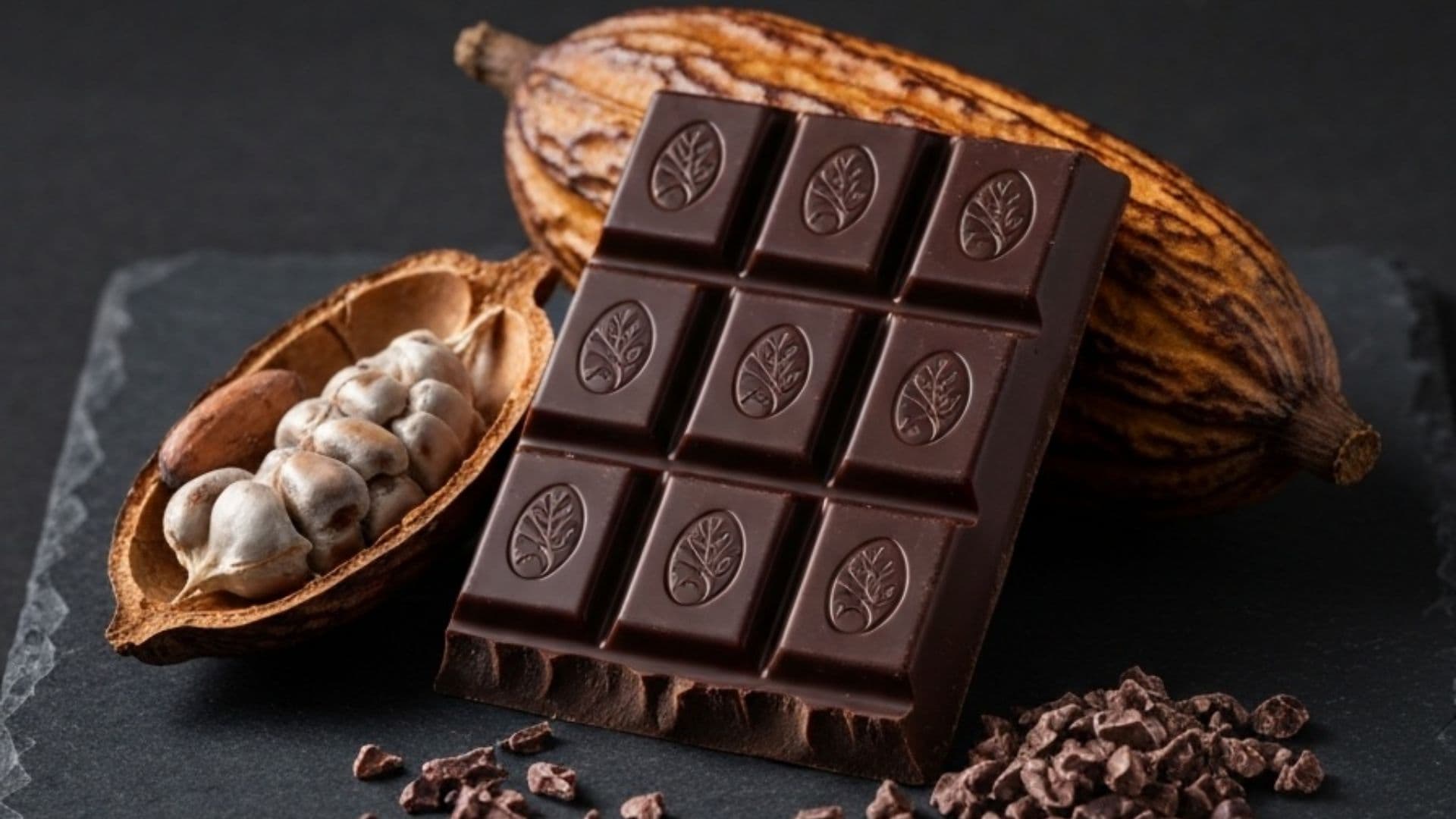
A wine label tells you region, vintage, and sometimes the specific vineyard block the grapes came from, information serious drinkers use to predict what's in the glass before opening it. Chocolate, for most of its modern retail history, told you almost none of that. Single-origin bars changed that, and reading one correctly means understanding what the information on the wrapper is actually claiming.
"Single-origin" means the cacao came from one country, region, or in the best cases, one specific farm or cooperative, as opposed to a blend sourced from wherever cacao was cheapest that quarter, which is how most mass-market chocolate is made. This matters because cacao, like wine grapes, expresses terroir: the same genetic variety grown in Madagascar versus Peru versus Vietnam produces beans with genuinely different flavor profiles, driven by soil, climate, and post-harvest fermentation practices specific to each growing region.
The percentage on the front of the bar (70%, 85%, and so on) indicates total cacao solids (cocoa mass plus cocoa butter), not quality or bitterness directly, though the two often correlate loosely. A higher percentage means less room for added sugar, which is why high-percentage bars taste more intensely of the cacao itself, for better or worse depending on how good that specific cacao actually is. A mediocre 85% bar tastes like unpleasantly bitter mediocre cacao with nowhere to hide; a well-sourced 85% bar tastes complex and only assertively bitter. Percentage alone doesn't distinguish between them.
Fermentation and drying, done at origin before the beans are ever shipped to a chocolate maker, matter as much as anything a maker does afterward, underfermented cacao produces flat, astringent chocolate no amount of skilled bean-to-bar work can fully fix, the same way underripe wine grapes can't be rescued in the cellar. This is why the best single-origin makers increasingly disclose not just the country but the specific farm and fermentation methodology, similar to a wine label naming the vineyard and winemaking technique.
Where the quality cliff sits: reputable bean-to-bar single-origin bars generally run eight to fourteen dollars for a standard 2-3 ounce bar, and that range reflects real costs, direct trade relationships that pay farmers well above commodity cacao prices, small-batch processing, and genuine flavor development work. Above roughly fifteen dollars, you're increasingly paying for packaging, rarity marketing, and limited-edition framing rather than a further jump in what's achievable from good cacao and competent chocolate-making. The reliable signal is the same as wine: specificity on the label (farm name, harvest year, fermentation notes) correlates with a maker who has nothing to hide about sourcing, vague "origin: South America" language on an expensive bar is the chocolate equivalent of a wine label that won't say which vineyard.
Where it came from
- Terroir
Cacao expresses place, like grapes
The same cacao variety grown in Madagascar, Peru, or Vietnam produces beans with genuinely different flavor, driven by soil, climate, and post-harvest fermentation. Single-origin means the beans come from one country, region, or ideally one farm.
- Fermentation
Most of the flavor is set at origin
Fermentation and drying, done before beans ever reach a chocolate maker, matter as much as anything the maker does after. Underfermented cacao makes flat, astringent chocolate that no skill downstream can fully rescue.
How it is made
The percentage on the bar is total cacao solids, not quality: it sets how much room is left for sugar, not how good the cacao is. Specificity on the label is the signal a maker has nothing to hide.
Single-origin chocolate bar
What to buy
Recommendations rest on verifiable specifications: farm-level origin disclosure, fermentation documentation, and ingredient and percentage labelling. We have not tasted these bars. Percentage is treated as context, not a score.
A dated, farm-named bar ~$10-14
The range where sourcing, small-batch work, and real flavor development line up. Everything the cacao can give is achievable here.
A $15-plus limited edition
Can be superb, but past this you increasingly pay for packaging and scarcity. Vague origin on a premium bar is the tell.
- How this was made
- Recommendations rest on verifiable specifications: farm-level origin disclosure, fermentation documentation, and ingredient and percentage labelling. We have not tasted these bars. Percentage is treated as context, not a score.
- Sources
- 2 consulted
- Price bands
- Editorial judgement, not a formal price survey.
- Fact-check
- Passed
- Standards
- Passed
- Edited & approved
- Josh Perry, July 3, 2026