Olive Oil's Quality Cliff Sits Near Fourteen Dollars a Bottle
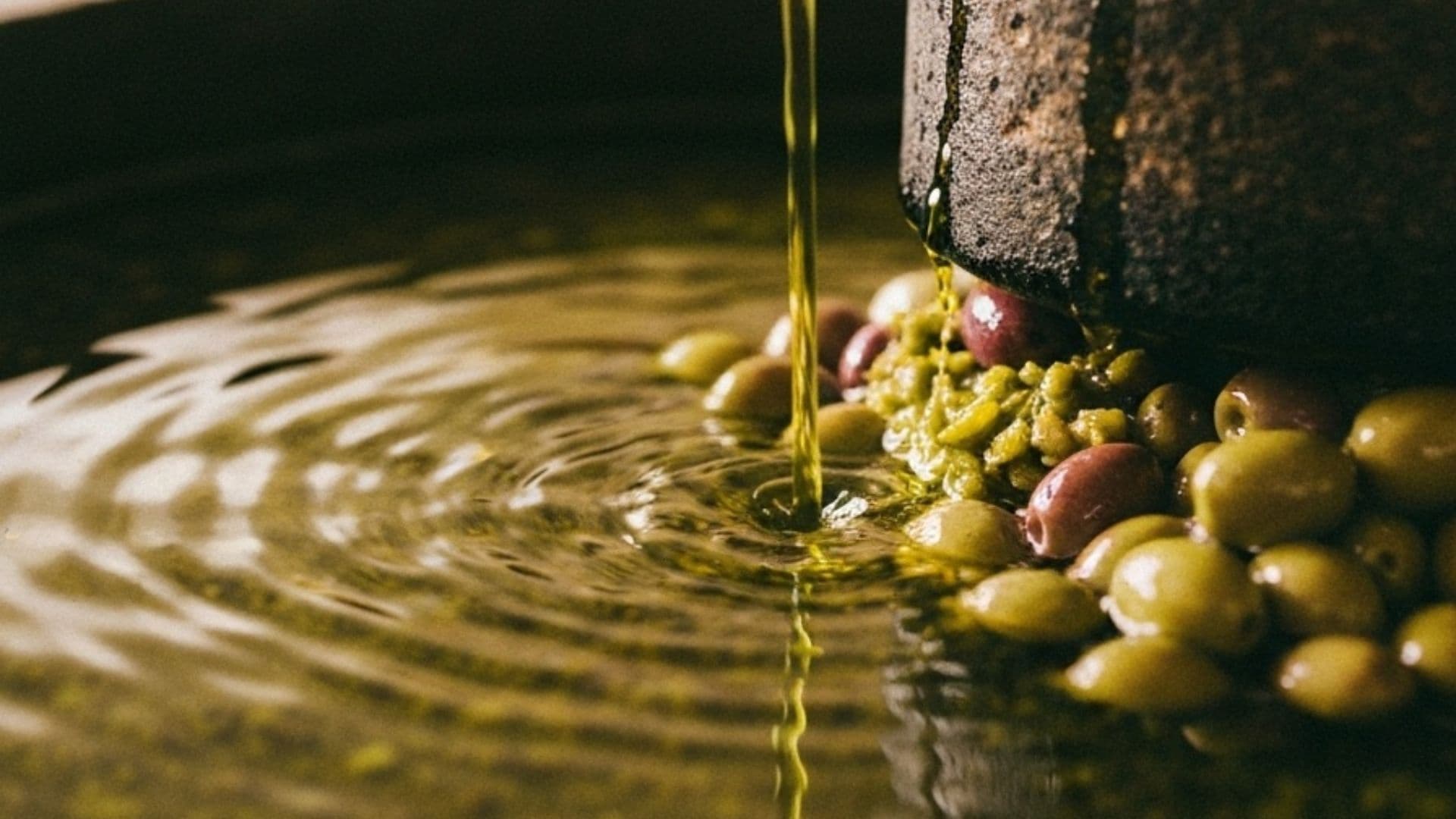
Olive oil pricing runs from under five dollars a liter to well over sixty, and the range genuinely tracks a mix of real quality differences and pure marketing markup, the trick is that they stop moving together at a fairly specific, findable point.
Two factors drive real quality before anything else: harvest timing and press timing. Olives harvested earlier in the season (green, before full ripeness) produce oil with more polyphenols (the compounds responsible for that peppery back-of-throat bite that characterizes a genuinely fresh, high-quality extra virgin) but a lower yield per olive, since less oil has developed in unripe fruit. Later-harvest, fully ripe olives produce more oil per ton but a milder, less complex result. Neither is "wrong," but early-harvest oil is measurably more expensive to produce per bottle, which is a legitimate cost basis for a higher price.
Press timing matters even more, and it's where a lot of ostensibly "extra virgin" oil quietly fails. Olives begin oxidizing the moment they're picked, and that oxidation directly degrades flavor and the health-associated polyphenol content. Oil pressed within hours of harvest tastes markedly different from oil pressed days later from olives that sat in bins. Estates that control this (pressing within 24 hours, sometimes on-site, same-day) are running meaningfully higher operating costs than a co-op processing fruit from dozens of growers on a delayed, batched schedule.
Here's the quality cliff, and it sits lower than most people assume: somewhere in the neighborhood of fourteen dollars for a 500ml bottle, oil that's genuinely early-harvest, fast-pressed, and honestly labeled starts to plateau in quality relative to price. Above that line, you're increasingly paying for estate prestige, elaborate packaging, single-varietal rarity, and award/competition marketing (a shocking number of olive oil competitions exist and are not equally rigorous), not for a further, proportional jump in what's in the bottle. A well-sourced $16 bottle from a transparent producer routinely outperforms a $45 bottle from an estate leaning heavily on story.
Below that line is where the real risk lives, and it's a different problem entirely: fraud. Olive oil is one of the most adulterated food products globally, oils labeled "extra virgin" cut with cheaper refined oils, or mislabeled by origin, are a documented, ongoing issue, and cheap bottles are where it concentrates. A bottle under roughly seven or eight dollars for 500ml is very unlikely to be honestly what the label claims, purely on production economics.
The actionable signal isn't price alone, it's harvest date on the label (if there isn't one, that's itself informative), and single-estate or single-region traceability over blend language like "product of Italy/Spain/Greece" with no further detail, which is a common way to obscure that the oil is a blend of whatever was cheapest across multiple countries that season.
Where it came from
- Harvest
Green fruit, more polyphenols
Olives picked earlier, before full ripeness, yield oil with more polyphenols, the compounds behind that peppery back-of-throat bite. Yield per olive is lower, which is a real cost basis for a higher price.
- Pressing
Oxidation starts at the pick
Olives begin oxidizing the moment they are picked, degrading flavor and polyphenols. Oil pressed within hours, sometimes on-site, tastes markedly different from oil pressed days later from fruit that sat in bins.
How it is made
Harvest timing and press timing matter more than the estate on the label. Below the cliff the risk is not just quality but fraud, so traceability is the signal that matters, not price alone.
Extra virgin olive oil
What to buy
Recommendations rest on verifiable specifications: harvest and milling dates, acidity figures, protected-origin certification and the disclosures the label is required to carry. We have not tasted these oils — NLNT operates no tasting panel. A named-bottle verdict would need one, and this is not one.
A single-estate bottle with a harvest date on the label, inside the last twelve months
The harvest date is the single most informative thing on the bottle, and its absence is informative too. At roughly fourteen dollars, genuinely early-harvest, fast-pressed, honestly labelled oil starts to plateau against price. A well-sourced sixteen-dollar bottle from a transparent producer routinely beats a forty-five-dollar one leaning on story.
Anything under roughly eight dollars per 500ml
Below that line the problem stops being quality and becomes fraud. Olive oil is among the most adulterated food products in the world, and on production economics alone a bottle that cheap is unlikely to be what the label claims. This is the one place where spending more is buying something real.
Blend language with no origin detail, and award stickers
Product of Italy, Spain or Greece with nothing further is a common way to obscure a blend of whatever was cheapest that season across several countries. Competition medals are close to meaningless at the shelf: a great many olive oil competitions exist and they are not equally rigorous.
- How this was made
- Recommendations rest on verifiable specifications: harvest and milling dates, acidity figures, protected-origin certification and the disclosures the label is required to carry. We have not tasted these oils — NLNT operates no tasting panel. A named-bottle verdict would need one, and this is not one.
- Sources
- 2 consulted
- Price bands
- Editorial judgement, not a formal price survey.
- Fact-check
- Passed
- Standards
- Passed
- Edited & approved
- Josh Perry, July 17, 2026